
Structural Integrity Reserve Study (SIRS)
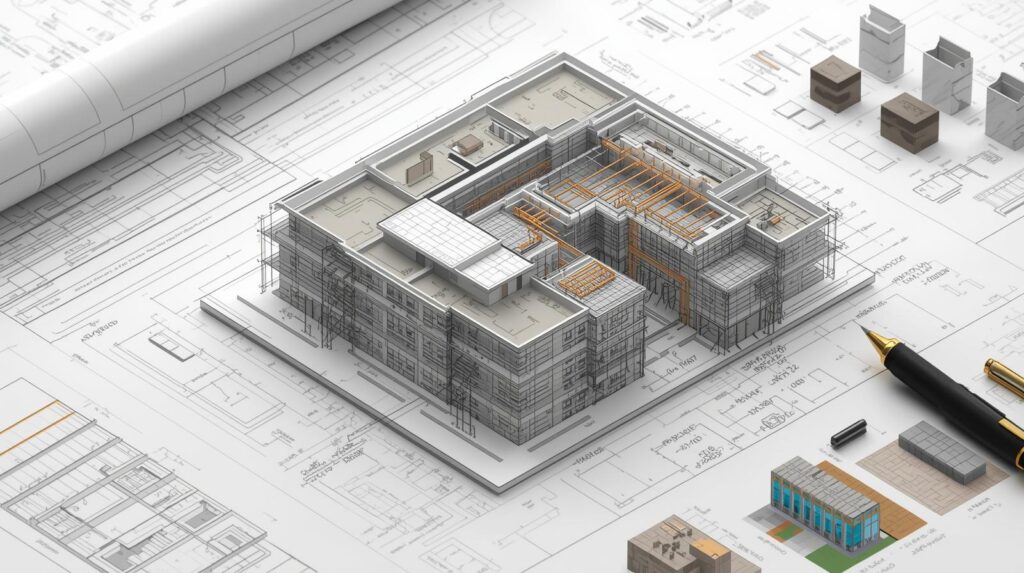
Planning for the Future with Confidence and Compliance
Florida law now requires condominium and cooperative associations to complete a Structural Integrity Reserve Study (SIRS) at least once every 10 years. These studies evaluate critical building components, estimate their remaining useful life, and recommend reserve funding, enabling associations to plan responsibly.
At Fortis BuildSafe Solutions, we deliver Structural Integrity Reserve Studies that are thorough, compliant, and written in clear language that boards and property managers can understand.

What We Provide
Comprehensive Inspections
Evaluate structural and essential building systems, with careful documentation of condition and expected performance.
Reserve Planning
Detailed financial recommendations to help boards allocate adequate funds for future repair and replacement.
Service Life Estimates
Professional assessment of remaining useful life for key components, based on fieldwork and industry standards.
Clear Reporting
Organized reports that meet statutory requirements and provide clarity for decision-makers.
Our Process
Assessment
On-site inspections and review of building systems.
Analysis
Evaluate condition, estimate useful life, and calculate reserve requirements.
Report Preparation
Compile findings into a detailed,
statute-compliant report.
Delivery & Review
Present results to the board and provide implementation support.
Plan Ahead With Confidence.
Contact Fortis BuildSafe Solutions today to schedule your Structural Integrity Reserve Study.
Frequently Asked Questions
What is a Structural Integrity Reserve Study (SIRS)?
A Structural Integrity Reserve Study (SIRS) is an engineering and financial assessment used by condominium or cooperative associations to evaluate major structural components of a building and determine how much money should be reserved for future repairs and replacements.
Who is required to complete a Structural Integrity Reserve Study in Florida?
Florida law requires condominium and cooperative associations with buildings that are three or more habitable stories to complete a Structural Integrity Reserve Study to ensure adequate funding for structural repairs and long-term maintenance.
How often must a Structural Integrity Reserve Study be performed?
In most cases, condominium and cooperative associations must complete a SIRS every 10 years to evaluate structural components and maintain proper reserve funding for future repairs.
What components are evaluated in a Structural Integrity Reserve Study?
A SIRS typically evaluates major structural and building systems such as roofs, load-bearing structures, fire protection systems, plumbing, electrical systems, waterproofing, windows, exterior doors, and other critical building components maintained by the association.
What is the purpose of a Structural Integrity Reserve Study?
The primary purpose of a SIRS is to help condominium associations plan financially for future structural repairs and replacements, ensuring the building remains safe while avoiding unexpected special assessments for major repairs.
What is the difference between a milestone inspection and a SIRS?
A milestone inspection evaluates the structural safety of a building, while a Structural Integrity Reserve Study focuses on long-term financial planning for structural repairs and maintenance based on the building’s condition.
Who can perform a Structural Integrity Reserve Study?
The visual inspection portion of a Structural Integrity Reserve Study must typically be performed or verified by a licensed professional engineer or architect, while other qualified reserve specialists may assist with financial analysis and reserve planning.
Why is a SIRS important for condominium associations?
A SIRS provides a clear understanding of a building’s structural condition and future repair costs. This helps condominium boards make informed decisions, maintain safety standards, and plan reserve funding responsibly.
Can a Structural Integrity Reserve Study be completed at the same time as a milestone inspection?
In many cases, condominium associations may coordinate the SIRS visual inspection with a milestone inspection to streamline the evaluation process and meet state compliance requirements.
What happens if a condominium association does not complete a required SIRS?
Failing to comply with SIRS requirements can lead to regulatory penalties and may expose condominium board members to legal risks, as the study is required under Florida building safety legislation.