
Building Recertification & Milestone Services
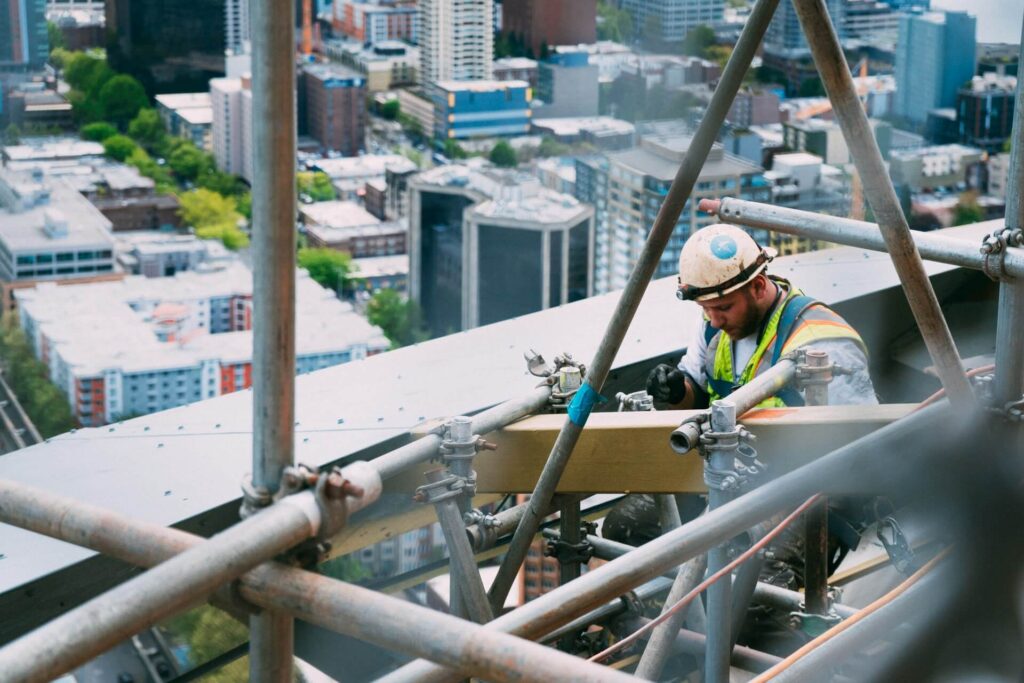
Ensuring Structural and Electrical Safety for Florida’s Buildings
The State of Florida requires buildings to undergo regular structural and electrical recertification, also known previously as milestone inspections, to confirm safety, code compliance, and long-term durability. At Fortis BuildSafe Solutions, we deliver these inspections with accuracy, efficiency, and clear documentation, giving property owners, boards, and managers the confidence to move forward without delays or uncertainty.

What We Provide
Structural & Electrical Inspections
Thorough evaluation of key building components, inspection outcome documented for compliance and decision-making.
Report Preparation
Comprehensive, easy-to-read reports that meet jurisdictional requirements and help streamline the recertification process.
Thermography & Illumination Testing
Thermal imaging and lighting assessments to identify hidden risks and verify safety standards in common areas and parking structures.
Regulatory Compliance
Meet city and county mandates for building recertification (milestone) inspections and reporting.
Risk Reduction
Identify deficiencies before they become costly hazards.
Why It Matters

Board Confidence
Provide decision-makers with clear, professional documentation.
Life Safety
Protect residents, tenants, and visitors with verified building integrity.
Our Process
Consultation & Scope
Clarify requirements, necessary steps, and schedule.
Inspection & Testing
Conduct structural and electrical site inspection and testing.
Documentation
Prepare a detailed report, photo illustrated report in compliance with local jurisdiction standards.
Delivery & Support
Review results with stakeholders, respond to follow up questions and plan next steps.
Stay Ahead of Deadlines and
Ensure Your Property Is Compliant.
Contact Fortis BuildSafe Solutions today to schedule your building recertification or milestone inspection.
Frequently Asked Questions
What is a building recertification inspection in Florida?
A building recertification inspection is a structural and safety evaluation required for older buildings in certain Florida municipalities. The inspection verifies that a building’s structural systems and major components remain safe and compliant with local building regulations.
What is a milestone inspection for condominium buildings?
A milestone inspection is a structural safety inspection required for certain condominium and cooperative buildings. Licensed engineers or architects evaluate major structural components to determine whether the building remains safe and structurally sound.
When is a milestone inspection required in Florida?
In most cases, condominium or cooperative buildings that are three stories or taller must complete a milestone inspection when the building reaches about 30 years of age and then repeat the inspection every 10 years afterward.
What buildings are required to complete milestone inspections?
Milestone inspections typically apply to condominium or cooperative buildings that are three stories or higher. Smaller residential properties such as single-family homes or low-rise buildings are generally exempt from these requirements.
What happens during a milestone inspection?
During a milestone inspection, a licensed engineer or architect performs a visual examination of the building’s structural systems, including load-bearing walls, balconies, decks, foundations, and other key structural elements to assess overall safety and structural condition.
What are Phase 1 and Phase 2 milestone inspections?
Phase 1 is a visual structural inspection performed by a licensed engineer or architect to identify signs of deterioration. If substantial structural deterioration is suspected, a Phase 2 inspection is conducted to perform more detailed structural testing and evaluation.
Who can perform a building recertification or milestone inspection?
Milestone inspections must be performed by a licensed professional engineer or architect authorized to practice in Florida, ensuring the inspection meets state safety and regulatory standards.
How long does a milestone inspection take?
The timeline for a milestone inspection varies depending on the building size and complexity. Phase 1 inspections may be completed relatively quickly, while Phase 2 inspections may require additional structural testing and evaluation.
Who is responsible for scheduling a milestone inspection?
For condominium and cooperative buildings, the association or building owner is responsible for arranging the milestone inspection and ensuring the property complies with state and local regulations.
Why are milestone inspections important for building safety?
Milestone inspections help identify structural deterioration early, allowing building owners and associations to address safety issues before they become serious risks. These inspections also help properties remain compliant with evolving building safety laws.